



Local Resident
Proud
Members Of








Do you experience sharp heel pain or persistent discomfort in every step? Do not panic; We provide specialized foot and heel therapy designed to unlock the root cause of your problem. The team of experienced physiotherapists and chiropractors help you restore your natural mobility so you can start moving towards the pain free future.
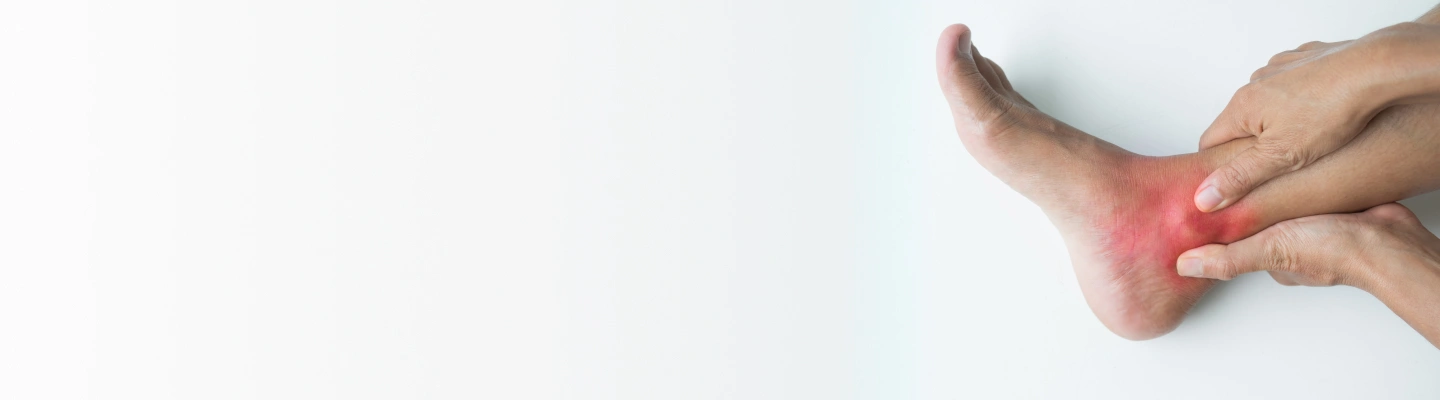
Heel and foot pain is usually not one particular condition, but several issues may cause this pain. It is characterized by pain originating from any part of the foot. This could mean that any part of the foot could be affected. These are the bones, tendons, ligaments, muscles, fascia, toenail bed, blood vessels, nerves, or even your skin.
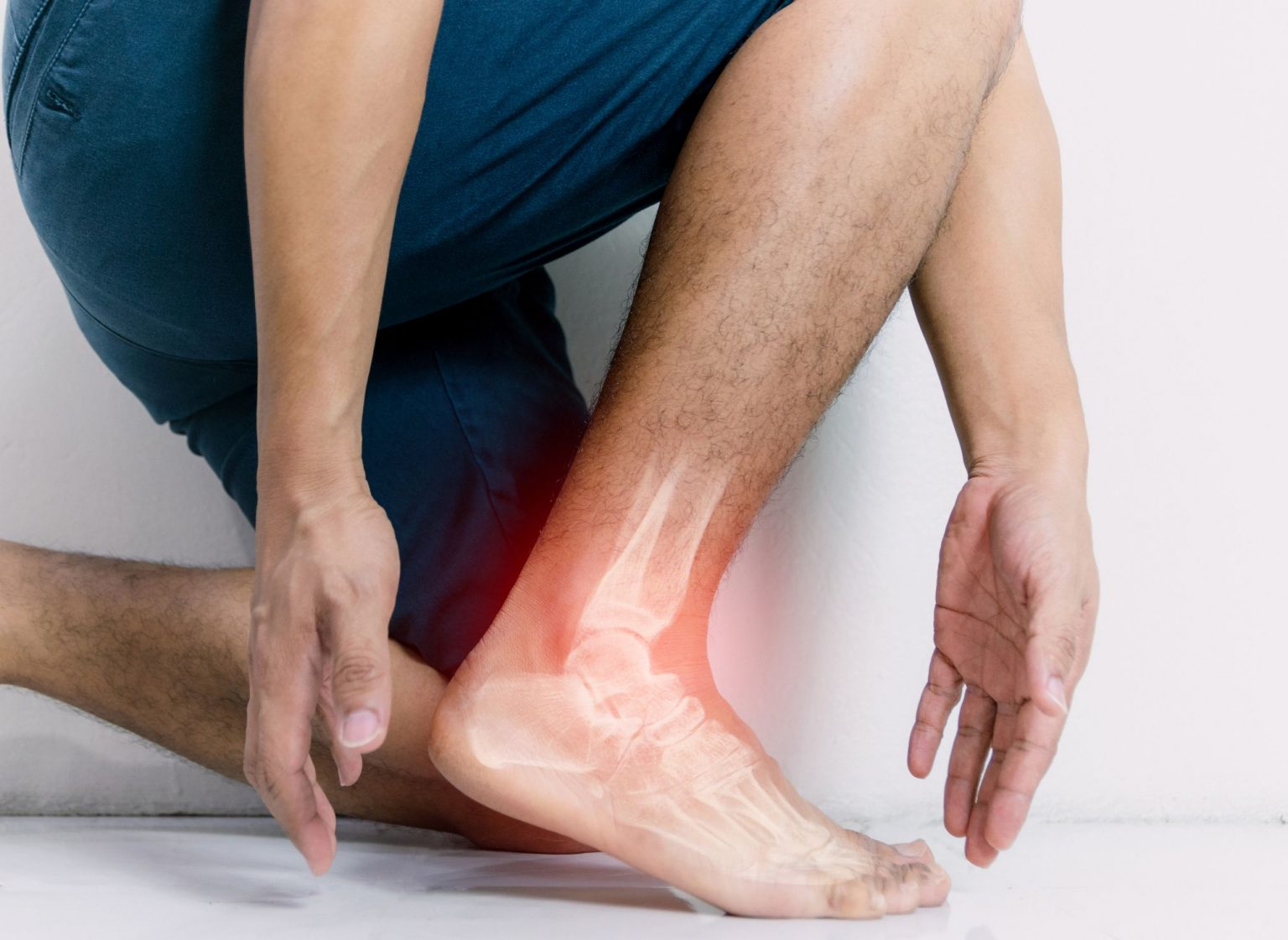
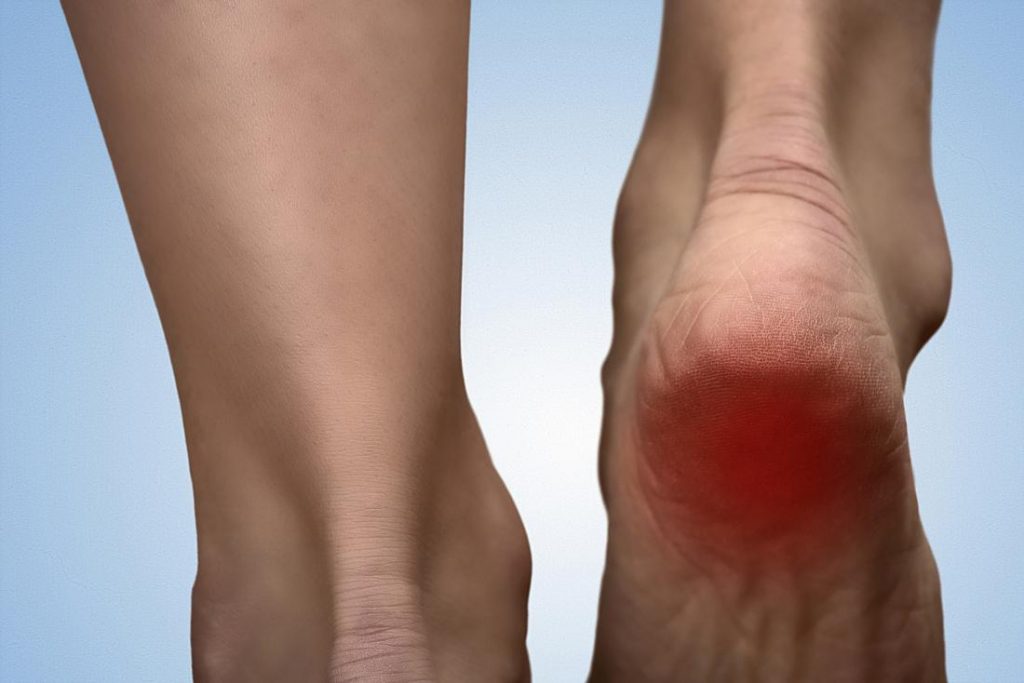
Heel spurs are bits of calcium deposits that cause a bony protrusion on the bottom side of your heel. This protrusion is formed on the underside of the heel bone and can be seen to extend further forward towards the toes on an X-ray. However, the disease cannot be proven through an X-ray and is referred to as heel spur syndrome.
One might wonder, since it is a calcium deposit protrusion, does it cause any pain? Well, most of the time, the heel spur is not painful. However, it can still cause foot pain, especially if the foot has plantar fasciitis too; these two are closely related.
The early stage of heel spurs starts developing in the front and under parts of your foot. However, as the bony-like projection forms, the condition will later affect other parts of the foot. In fact, doctors claim that they can go up to half an inch in length of the foot. However, it is not always that you can see it with the naked eye. This is the main reason why diagnosing the disease isn’t easy. All you have to know is that even though heel spurs might cause some pain, not all pain will be caused by a heel spur.
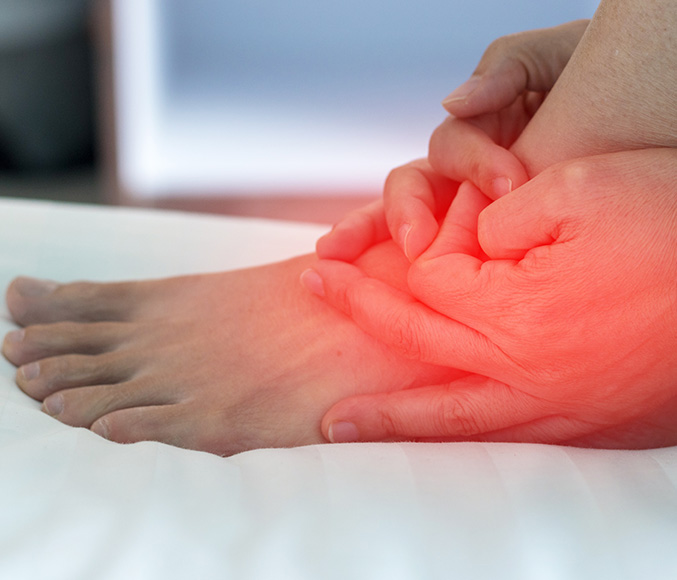
Some of the most common symptoms experienced by heel spur patients include:
It is important to note that even though the disease portrays such symptoms in some people, it might fail to show any signs in others. You might even fail to detect the changes occurring in the muscles and tissues around the affected area. In such a scenario, an X-ray comes in handy.
The cause will depend on which part of the foot is injured. All in all, here are the possible conditions that may be the source of heel and foot pain.

Plantar fasciitis is an aggravation of the fibrous tissue called the plantar fascia that links your heel bone to your toes on the bottom of your foot. Plantar fasciitis is a condition that causes severe heel discomfort.


Calcium deposits build up on the underside of the heel bone, causing heel spurs, which normally develop over months. Strains on the foot muscles and ligaments, stretching of the plantar fascia, and recurrent tearing of the membrane surrounding the heel bone are all common causes of heel spurs.

Overuse injuries in sports that require running and jumping are major causes of metatarsalgia. It can also be caused by ill-fitting shoes, foot deformities, arthritis, and other disorders.

A joint infection or injury can hasten the natural degradation of cartilage tissue. If you have a family history of arthritis, your chances of developing it are increased.

If you apply a force to your toe that causes it to tilt upwards more than it should, you’ll get a turf toe. It might happen, for example, if you’re sprinting and your toe becomes stuck on the ground.
Other possible causes are fractures, Bursitis, tendonitis, and Sever’s disease.
Heel spurs develop over time after foot muscles and ligaments have been subjected to excessive stress over time. The excessive strain on the foot affects the heel bone, translating to spurs. The disease does not just occur at once; it develops gradually. The spurs occur after you have neglected the early signs, such as foot pain.
Another leading cause of heel spurs is recurrent stress on the foot due to physical activities such as walking, running, and even jumping. Athletes who train or compete on hard-surfaced terrains are at a high risk of getting the spurs.
The type of shoe you wear might also lead to the development of the disease. Some shoes do not support the leg posture. This ends up distributing the bodyweight unevenly throughout the foot. When you wear such a shoe frequently, you run the risk of getting heel spurs.
Another thing to note about heel spurs is that most people having it will most likely have plantar fasciitis. This might be the condition responsible for the recurrent front pain, especially when you take the first few steps in the morning. Additionally, the pain might ease over time, but then come after long hours of subjecting your body to unusual standing postures. People whose jobs require them to stay standing for a long time are at a high risk of getting the disease.
A heel spur is not a major health concern and can therefore be easily managed through a switch in lifestyle, as well as taking enough rest. However, for the extreme heel spurs cases, some of the commonly used treatments include
Ice packs can be effective in treating heel spurs. Regular cold compresses of up to twenty minutes can temporarily numb the affected part and ease the pain. The swelling will also go down, and the tenderness will reduce.
Some people might opt for heat packs instead of cold compresses and ice packs. However, this might work better for muscle and joint problems, not heel spurs.
Painkillers such as Tylenol, ibuprofen, and aspirin can help with the pain.
Corticosteroid injections have been used for some time now to treat the condition. They have anti-inflammatory properties.
Practices such as stretching and physical therapy can help heal the foot.

Heel spurs take time to be noticed, but can be quickly healed. However, you can still prevent heel spurs by paying extra attention to heel health. Check on your postures, walking styles, and standing positions, and you will be at a lower risk of getting the disease.
Nonsurgical therapies for heel pain frequently improve the condition with time, and we can figure out what’s causing it. We can also demonstrate stretching exercises and, if necessary, propose orthotics and other treatments. The longer you have heel pain, the more difficult it is to cure successfully, so it’s critical to have it checked.
At Physiotherapy First, our physiotherapists have successfully completed the courses and training to be certified as physiotherapists. While most physiotherapists can treat Heel Spur conditions, not all are certified with the higher level of education and training our physiotherapists have obtained.
To learn more about heel spur physiotherapy treatments and services in Brampton, or to schedule an initial consultation with one of our physiotherapists, please feel free to contact
Physiotherapy First at 905-796-6662 today! We would be happy to discuss your health benefits plan coverage, answer any questions you may have, and help you feel better.
Address: 511 Ray Lawson Blvd. Unit 4 & 5 Brampton ON L6Y 0N2
Phone: 905-796-6662
Fax: 905-796-6662
Email: info@physiotherapyfirst.ca
Hear from 500+ Patients Who Found Relief
Here are some Commonly Asked Questions
It’s critical to keep your foot and heel tendons flexible to avoid heel discomfort or prevent it from recurring. Stretching should be done regularly, and you should wear shoes that are correctly fitting and supportive. Heel pain is more common in runners. Running injuries can be avoided by covering shorter distances and running on softer terrain.
When you land in any of the following categories, contact us immediately: