




Local Resident
Proud
Members Of










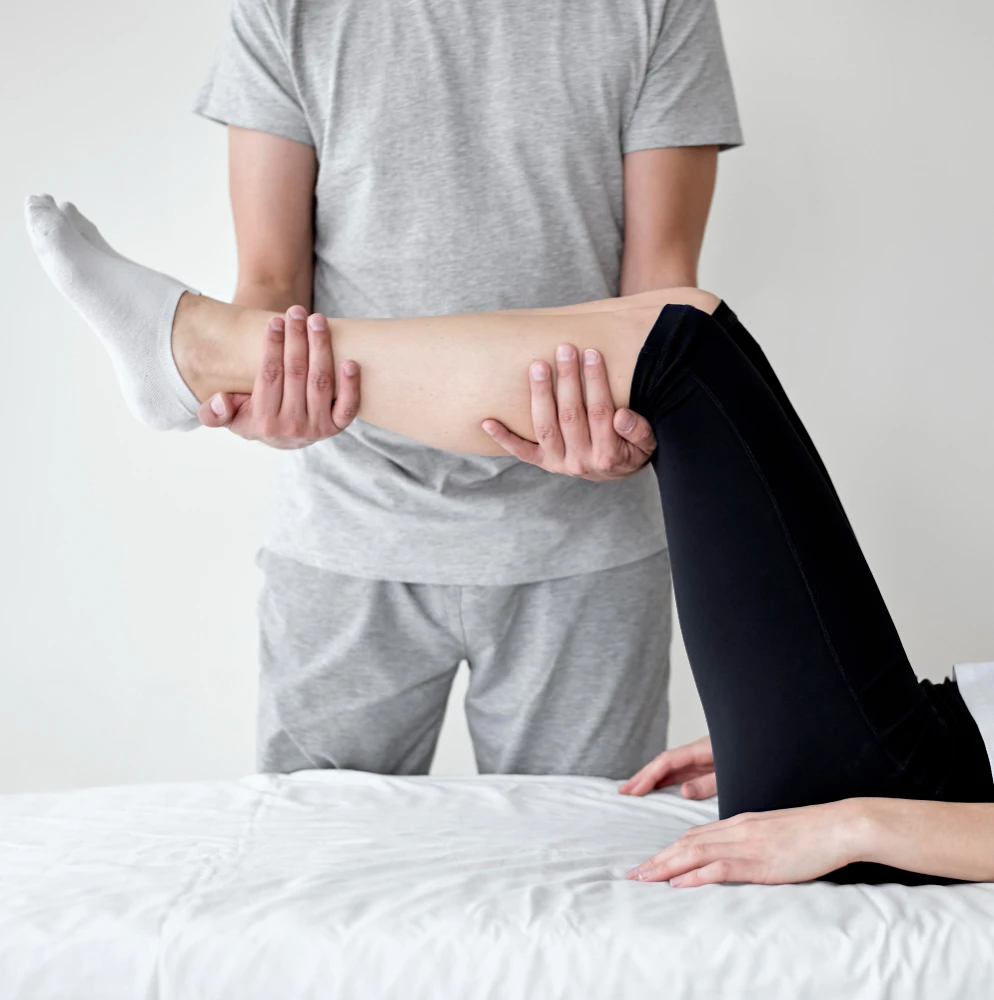
Have you ever heard anyone complain of pain and tenderness around the joints? There are high chance they were suffering from Tendonitis. Any inflammation or irritation that affects a tendon is known as Tendonitis. For those who don’t know, a tendon is a thick fibrous structure that appears cord-like. These structures are responsible for the attachment between a bone and a muscle.
One question around this topic is whether these inflammations can occur in any tendon in the body. The general answer to this question is, yes, they can. However, the tendons mostly affected by Tendonitis are the ones around the shoulders, wrists, elbows, legs, and knees. These common problems have led to the condition being termed as Tennis elbow, Pitcher’s shoulder, Swimmer’s shoulder, and Jumper’s knees.
Most of the times when, this condition vanishes by itself after a series of painful periods. You can treat the minute cases with ample rest, simple therapy sessions, and even pain reduction medications. However, if the pain still persists, it would be advisable to seek medical assistance from your therapist.
You might overlook Tendonitis during its early stages. However, once it has developed further, the signs and symptoms will start showing up. Most of the time, these symptoms occur at the point where the bone and the tendon attach.
Some of the common symptoms include
It is important to note that most cases of Tendonitis are not that serious. With self-care measures, you will be able to manage the pain. It won’t even take you more than a day. However, there are times when this condition becomes chronic. For example, the pain (and other symptoms) might prolong to the point of disrupting your normal activities. When it reaches such a point, you are advised to seek medical help as soon as possible.
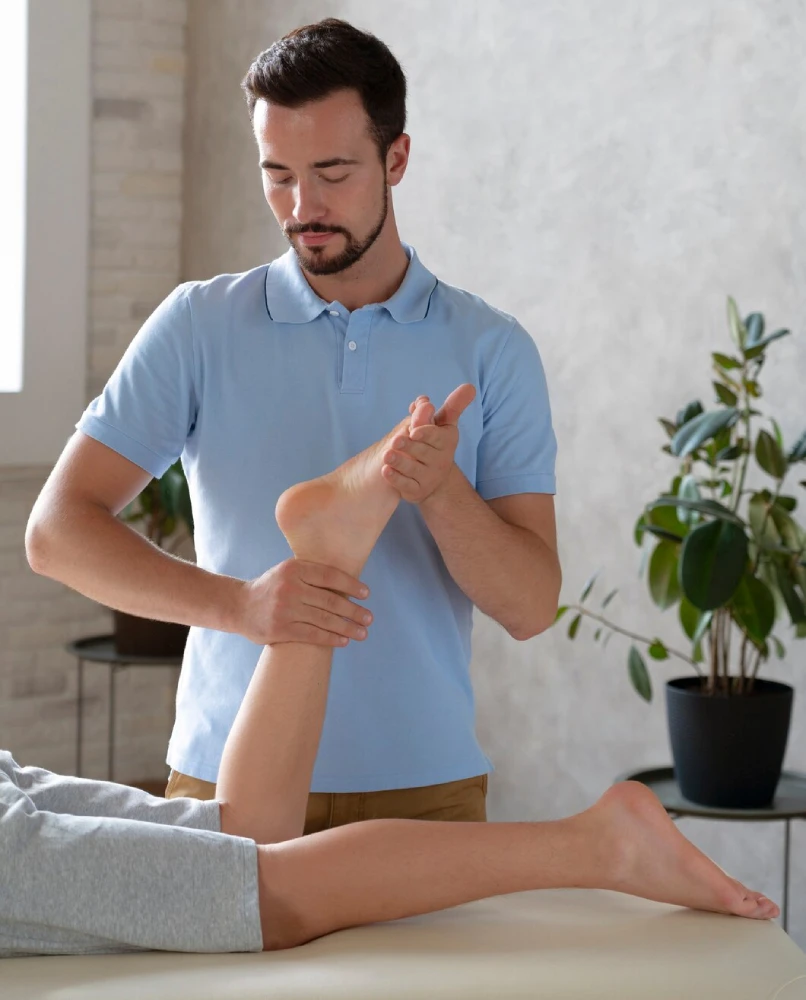

A therapist can diagnose Tendonitis through a physical exam. However, they might request X-rays and other imaging tests to ascertain the condition is present. Once it is confirmed, the therapist will tailor a treatment plan aimed at reducing inflammation, tenderness, and pain. It is also possible for you to handle it on your own, primarily through the use of over-the-counter medicine and ice.

One of the most common medications offered by doctors is pain relievers. Medications such as aspirin, naproxen, ibuprofen, and many others can effectively eliminate the pain and discomfort. Creams and anti-inflammatory medicines can come in handy too!


Corticosteroids can also be used to treat Tendonitis. The doctor might choose to inject medication near the affected area as a means of reducing the inflammation. This will reduce the tenderness and relieve the pain gradually.

Another available treatment is the PRP (Platelet-rich Plasma) method. This involves taking your blood sample and separating the platelets and other curative agents in it. This can then be injected around the affected area to treat it. The method is still under research, but there is light at the end of the tunnel.
Before getting to the therapy part of it, it is essential to note that some risk factors are involved in the development of the disease. One of them is the age. It has been reported that as people age, their tendons tend to become less flexible, making them more prone to injury. Additionally, the profession of a person plays a part in the development of the problem, too. For example, if your job involves repetitive movements, awkward positions, exertion, and forceful reaching, you are at risk of developing Tendonitis.
Massage, physical therapy, and ultrasound therapy can all help to break up soft tissue adhesions. These therapies may help to lessen inflammation and pain. And we have the best at our Brampton facility to help you with all these.





Address: 511 Ray Lawson Blvd. Unit 4 & 5 Brampton ON L6Y 0N2
Phone: 905-796-6662
Fax: 905-796-6662
Email: info@physiotherapyfirst.ca
Hear from 500+ Patients Who Found Relief