




Local Resident
Proud
Members Of




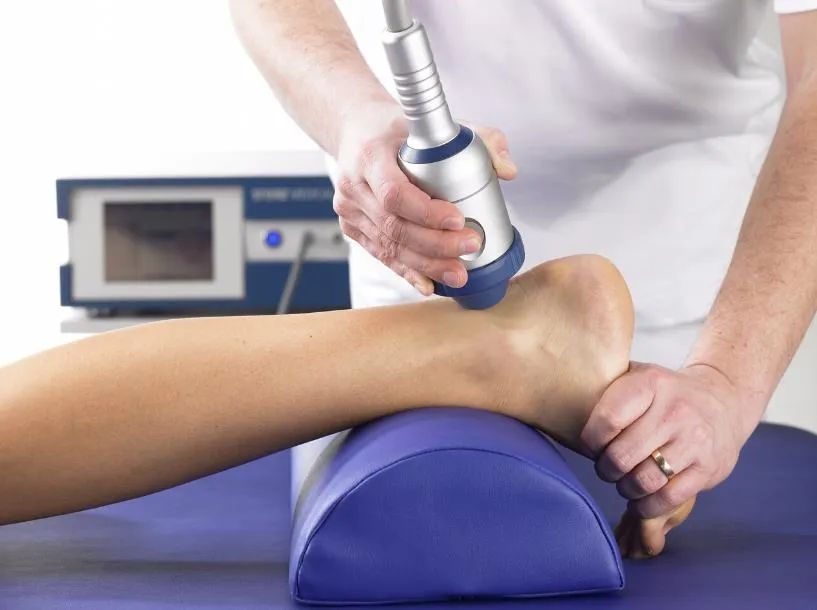
The uses of ultrasound go beyond imaging of body organs at multidisciplinary clinics. At Physiotherapy First, we also use it as a tool to treat soft tissue injuries and boost the body’s natural healing capability in the process. Our registered physiotherapists often recommend ultrasound therapy in Brampton to detect and treat a wide array of musculoskeletal problems that cause pain. If you are looking for a non-invasive, effective solution to reduce acute pain or inflammation, ultrasound therapy can benefit you.
Ultrasound therapy is a non-invasive treatment for pain and soft tissue injuries. It is also used to prepare your body for more active recovery, like exercises or manual adjustments. This therapy uses high-frequency sound waves to trigger the injured cells to speed up their repair process, improve blood circulation and produce more collagen. Ultrasound therapy is also effective at prepping tissues for other treatments, such as making a stiff joint easier for a chiropractor to adjust or a physical therapist to stretch.
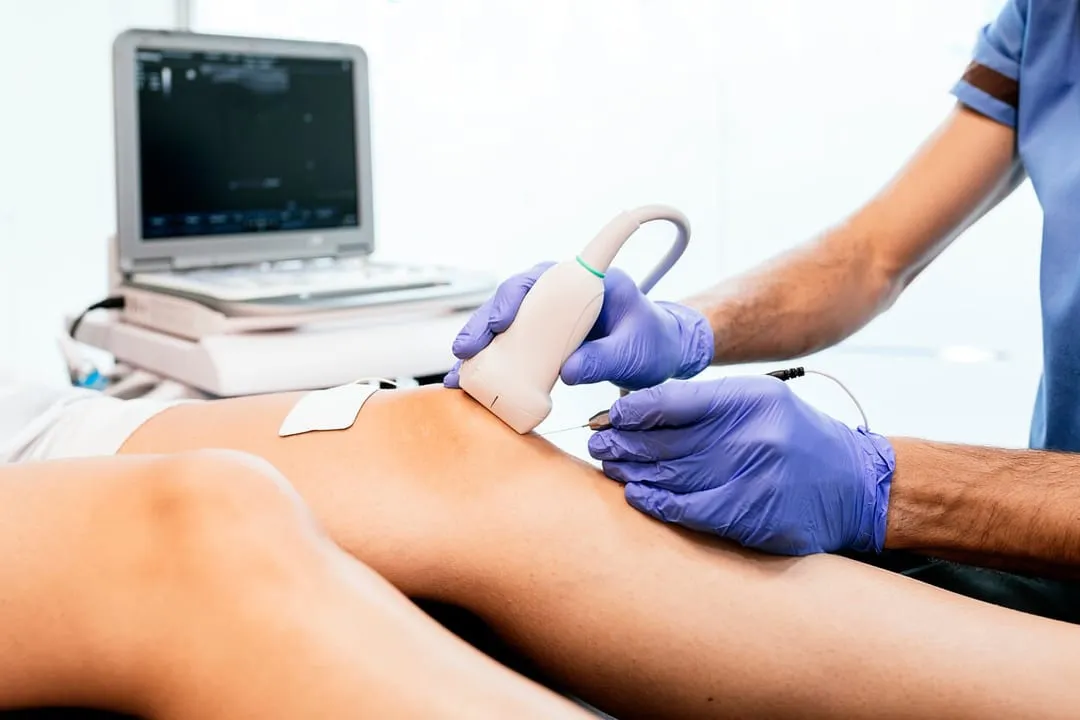
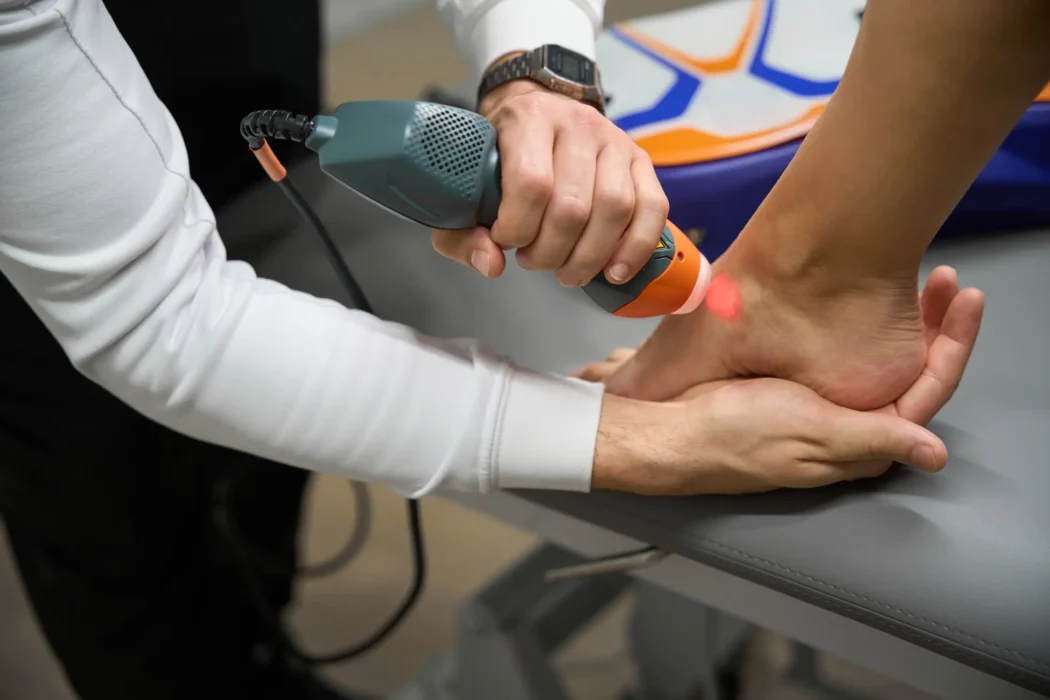
In our multidisciplinary clinic in Brampton, ultrasound therapy is recommended based on specific physical findings. The signs that you need it are often related to how your tissue feels and more.

The ultrasound machine comes with a gel and a probe. The therapist first applies the gel to the affected area. Then they rub the probe in a circular motion over the area. The gel tends to reduce friction and allows the sound waves to hit the right area. This allows the sound waves to travel directly into your muscles and tendons.


The device emits sound waves that travel through the probe into the skin. This causes vibration and breaking down of scar tissues, which in turn, reduces pain and inflammation.

Once the sound waves reach the affected cells, it triggers a series of biological reactions such as increasing blood flow, repairing damaged cells and reducing inflammation faster.
Ultrasound therapy has two distinct categories, such as:

Thermal ultrasound is the most common. In this process, the probe causes optimal vibration of the skin and muscles. The constant vibration causes the affected area to heat up and release stiffness/tension. It helps with soft tissue injuries and musculoskeletal conditions. This is also known as the deep heating technique and improves blood circulation.

This one is quite complicated. The therapist uses ultrasound to create pressure differences in tissue fluids. This further develops bubbles, which generate sound waves when interacting with solid objects. These shockwaves help relieve a wide array of advanced conditions, such as kidney stones. Most importantly, it speeds up the healing process for you.
It treats muscle tissue injuries. The deep heating effect reduces inflammation and pain.
Second, it plays an integral role in improving the extensibility of a tissue. You can experience improved mobility in the areas that feel stiff.
It improves blood circulation in the injured part. As the blood is enriched with fresh oxygen, the healing process of your body speeds up.
Besides these, physiotherapists also recommend this for scar tissue treatment, knee osteoarthritis, stiff shoulders and more. You can move or stretch your shoulders better if you combine ultrasound therapy with some range of motion exercises.
The mechanical vibrating effect of the sound waves helps decrease swelling, often associated with conditions like tendinitis or bursitis.
Though it has several therapeutic benefits, ultrasound physical therapy isn’t for everyone.
People with heart conditions or a pacemaker, for instance, should avoid this therapy. Similarly, it is not recommended for pregnant or menstruating women.
The physiotherapist examines your full body to determine if ultrasound is the right therapy for you. They do not apply it over joint replacements, broken skin or malignant tumours.
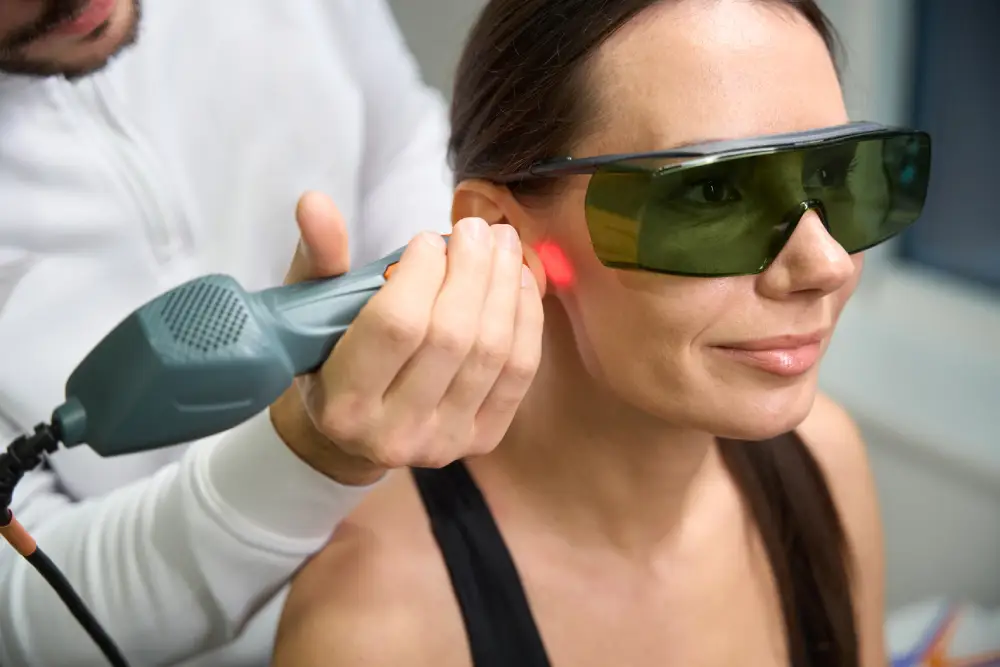

We provide ultrasound therapy to those who need it. Our team uses a slew of physical tests to assess the status of your health and injuries. We proceed only after confirming this is the right treatment for you.

We use medical-grade equipment that lets us adjust the frequency of sound waves based on your progress.

Our team has years of experience treating musculoskeletal conditions using ultrasound therapy and several other non-invasive therapies.

We pair other holistic treatments like physiotherapy, chiropractic care or massage therapy with ultrasound therapy for better outcomes and long-term recovery.
Address: 511 Ray Lawson Blvd. Unit 4 & 5 Brampton ON L6Y 0N2
Phone: 905-796-6662
Fax: 905-796-6662
Email: info@physiotherapyfirst.ca
Hear from 500+ Patients Who Found Relief
Here are some Commonly Asked Questions
Ultrasound therapy treats soft tissue injuries involving muscles, tendons, fascia and ligaments. Here are the main uses of ultrasound therapy:
The number of sessions you need depends on the type of your injury. Acute injuries may heal within 3-6 sessions, while chronic conditions may find relief in 10-15 sessions. This is a generalized number. Every patient needs to go through an injury assessment process for the therapist to determine the exact number of sessions you need.
For the best results, consistency is key during the initial phase of healing. Most patients attend 2 to 3 times per week. As the pain subsides and mobility returns, sessions are usually reduced to once a week and eventually replaced entirely by active strengthening and exercise.


